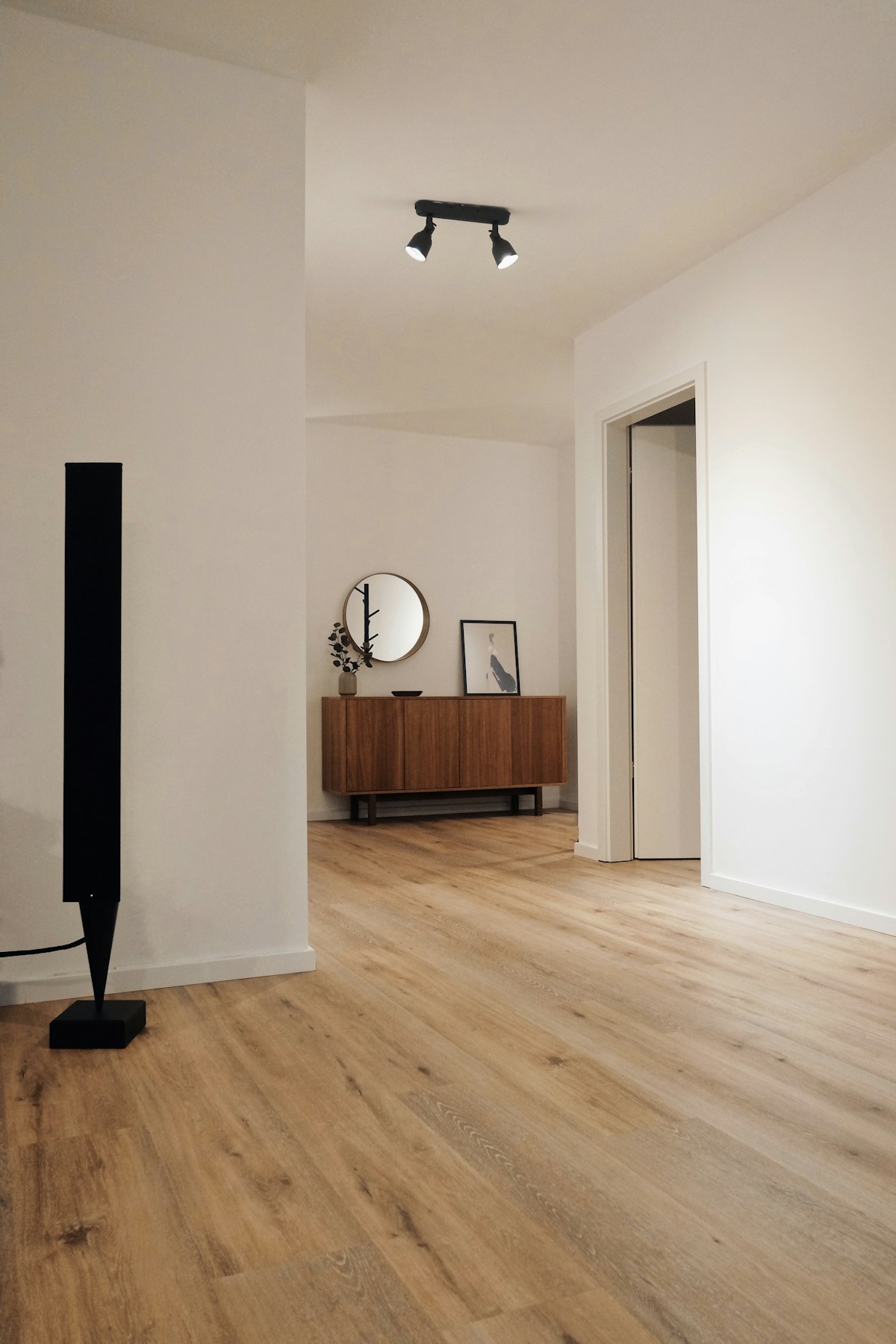
Best Flooring Options for Home Renovation (Pros & Cons)
Quick Answer: The best flooring options for home renovation are hardwood, luxury vinyl plank (LVP), ceramic tile, and laminate. The right choice depends on your budget, the room, and how much foot traffic you expect.
Choosing new floors can feel overwhelming. There are dozens of options, price points, and materials — and the wrong choice can be expensive to fix. The right flooring sets the tone for your entire home.
This guide breaks down the most popular flooring options for home renovation, with honest pros and cons for each. By the end, you’ll know exactly what to pick for every room.

How to Choose the Right Flooring
Before picking a floor, ask yourself three questions: How much traffic does this room get? Is moisture a concern? What’s my budget per square foot? Your answers will narrow the field quickly.
Best Flooring Options for Home Renovation
1. Hardwood Flooring
Cost: $6–$12 per sq ft installed
Best for: Living rooms, bedrooms, dining rooms
- Pros: Timeless look, increases home value, can be refinished multiple times, lasts 50+ years
- Cons: Expensive, sensitive to moisture, can scratch and dent, not ideal for kitchens or bathrooms
2. Luxury Vinyl Plank (LVP)
Cost: $2–$7 per sq ft installed
Best for: Kitchens, bathrooms, basements, high-traffic areas
- Pros: 100% waterproof, durable, affordable, looks like real wood, comfortable underfoot
- Cons: Cannot be refinished, can fade in direct sunlight, lower perceived value than hardwood
3. Ceramic or Porcelain Tile
Cost: $3–$10 per sq ft installed
Best for: Bathrooms, kitchens, entryways
- Pros: Extremely durable, waterproof, easy to clean, huge range of styles
- Cons: Cold underfoot, hard on joints if you stand long periods, grout requires maintenance
4. Laminate Flooring
Cost: $1.50–$5 per sq ft installed
Best for: Bedrooms, living rooms, light-traffic areas
- Pros: Budget-friendly, realistic wood appearance, DIY-friendly installation
- Cons: Not waterproof (though some newer versions are water-resistant), cannot be refinished, hollow sound underfoot
5. Engineered Hardwood
Cost: $4–$9 per sq ft installed
Best for: Living rooms, bedrooms, above-grade kitchens
- Pros: Real wood top layer, more moisture-resistant than solid hardwood, can be refinished once or twice
- Cons: More expensive than LVP, limited refinishing compared to solid hardwood
6. Carpet
Cost: $2–$6 per sq ft installed
Best for: Bedrooms, home offices
- Pros: Warm, soft, quiet, affordable, great for insulation
- Cons: Stains easily, traps allergens, not ideal for kitchens or bathrooms, shows wear
Practical Flooring Tips
- Always buy 10% more than you need to account for cuts and waste.
- Acclimate wood and LVP flooring in the room for 48 hours before installing.
- In wet areas (bathrooms, mudrooms), stick to tile or waterproof LVP.
- Use underlayment under laminate and LVP to reduce sound and improve comfort.
- Match floor color to your existing trim for a cohesive look.
Want to know which flooring options pair best with your kitchen upgrade? Read our guide on best kitchen remodel ideas on a budget.
For a full picture of value-adding upgrades, visit our post on home improvement ideas that increase property value.
Frequently Asked Questions
What is the most durable flooring for a home?
Porcelain tile is the most durable option. It resists scratches, moisture, and heavy traffic. For a warmer look with durability, LVP is a close second.
What flooring adds the most value to a home?
Solid hardwood adds the most resale value. Buyers consistently prefer hardwood over other flooring types in living areas and bedrooms.
Is LVP better than laminate?
For most homeowners, yes. LVP is waterproof, more durable underfoot, and now looks nearly identical to laminate. It costs slightly more but is worth it in most applications.
What flooring is best for a kitchen?
Porcelain tile and waterproof LVP are the best choices for kitchens. Both handle spills, drops, and heavy foot traffic without damage.
Can I install flooring myself?
Laminate, LVP, and some engineered hardwood products are designed for DIY installation with click-lock systems. Tile and solid hardwood are best left to professionals.
Conclusion
The best flooring for your home renovation depends on your budget, lifestyle, and which room you’re updating. LVP is the best all-around choice for most homeowners. Hardwood is the king of resale value. Tile is unbeatable in wet areas.
Pick the right floor and your entire home feels upgraded. Find more renovation guides at Home Beauties.
About the Author